Let’s be real—no one teaches us how to take care of our mental health. We’re taught how to study hard, earn more, be productive, chase goals... but not how to slow down, breathe, or feel okay when life feels like a lot (and it often does).
Good mental health isn't about perfection or pretending everything is fine. It’s about checking in with yourself, building small, powerful habits, and remembering: you’re human.
If you’ve been feeling a little burnt out, overwhelmed, anxious—or just "off"—you’re not alone.
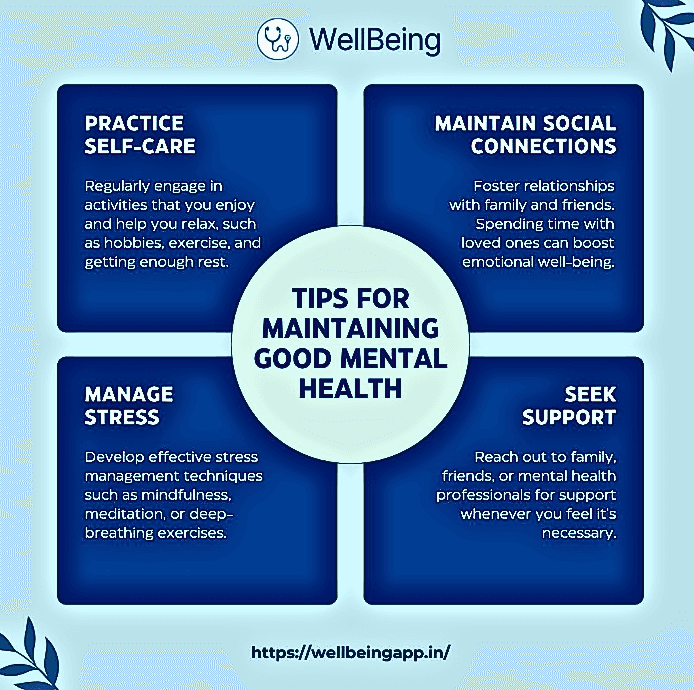
Here are some real-life, doable things you can start practicing today to support your emotional well-being.
1. Move Your Body—Even If It’s Just a Walk Around the Block
Exercise isn’t just about staying fit—it’s fuel for your mood.
When you move, your body releases endorphins (natural mood-lifters). Whether it’s a morning walk, dancing in your room, or a few yoga poses between Zoom calls—movement helps ease anxiety and lift your spirits.
Fact check: Just 30 minutes of physical activity a day significantly reduces symptoms of depression and stress, according to the National Institute of Mental Health (NIMH).
2. Protect Your Sleep Like It’s Your Peace
You’re not “lazy” for needing rest—you’re human.
Sleep impacts your mood, focus, immunity, and even how you respond to everyday stress. Aim for 7–8 hours, and if possible, keep screens away for 30 minutes before bed.
Poor sleep has been linked to a rise in mental health issues, including anxiety and depression, as per MedlinePlus.
3. Breathe. Pause. Reflect.
No, you don’t need to meditate on a mountain.
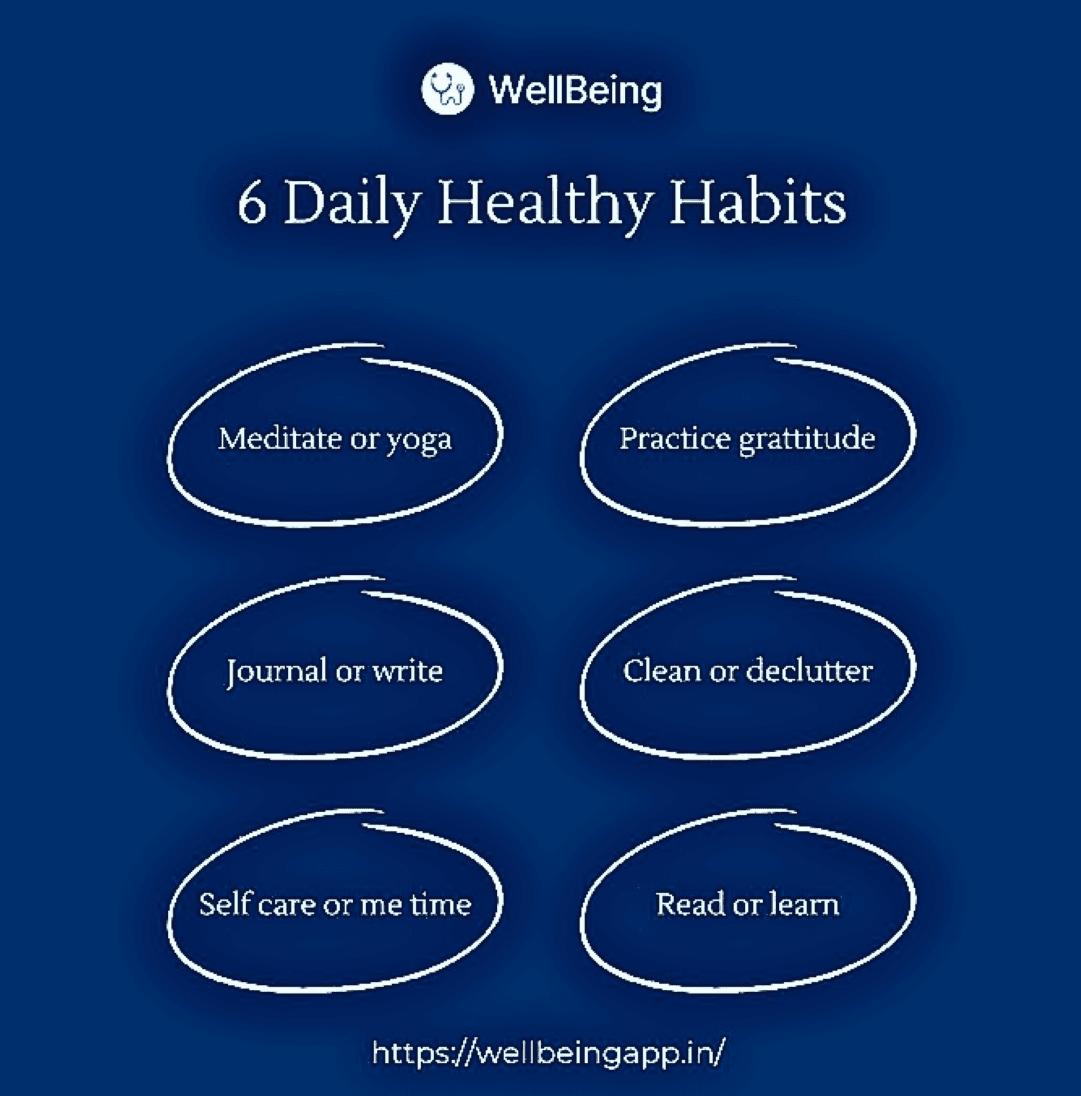
Just 5–10 minutes of quiet breathing, gratitude journaling, or sitting still can help your nervous system reset. Apps like Headspace or Calm make it easier—but even one minute of intentional breathing can help on a stressful day.
It’s like giving your mind space to catch up with your body.
4. Talk to People Who “Get” You
Connection is everything.
Whether it’s a call with a friend, chatting with your sibling, or even messaging someone who makes you feel heard—don’t isolate. Social connection helps regulate emotions, lowers anxiety, and builds resilience.
According to YourHealth.org, regular social interaction—even digital—is crucial to emotional well-being.
5. Get Some Fresh Air (Even in the City)
Nature heals—even if it’s just your building terrace, a neighborhood park, or watching the trees sway.
Research suggests that spending 15 minutes daily in green spaces can significantly boost mood and reduce mental fatigue. NYPost reports that even in crowded cities, stepping outside regularly reduces stress hormones.
6. Don’t Wait to Feel “Worse” Before Asking for Help
Mental health is like physical health—early care leads to easier healing.
If you’ve been feeling low for more than two weeks, talk to someone. A trained counsellor or therapist can help you process, unpack, and feel better—with zero judgment.
You don't need to have a breakdown to seek support. Sometimes, you just need someone to listen.
Find help via your local mental health platform, apps like BetterHelp, or your workplace’s wellness initiative. And remember—asking for help is strength, not weakness.
Final Thoughts: Your Mental Health Deserves Your Attention
Taking care of your mental health doesn’t mean you’re weak or broken. It means you’re aware. You’re growing. You’re choosing to live better. So today, pick one thing from this list—go for a walk, call a friend, breathe slowly, or go to bed a little earlier. Tiny steps. Big shifts. Because your mind deserves as much love as your goals.
%2F6OFXemk8qv&w=3840&q=75)